
    All articles
    Banking
    Insurance
    Modelling

    Cross-Asset Stress Testing for Banks and Insurers

    Designing coherent macro-financial shocks that translate consistently into rates, credit, equity, property, FX and insurance liabilities.

    By Jonas Osman Abdelghafour · · 12 min read
    Cross-Asset Stress Testing for Banks and Insurers — technical illustration by Jonas Osman Abdelghafour, banking and insurance and modelling risk modelling
    Cross-Asset Stress Testing for Banks and InsurersBanking · Insurance · Modelling

    Coherence is the whole point

    A stress scenario that shocks rates without repricing credit or FX is not a scenario — it is a spreadsheet exercise.
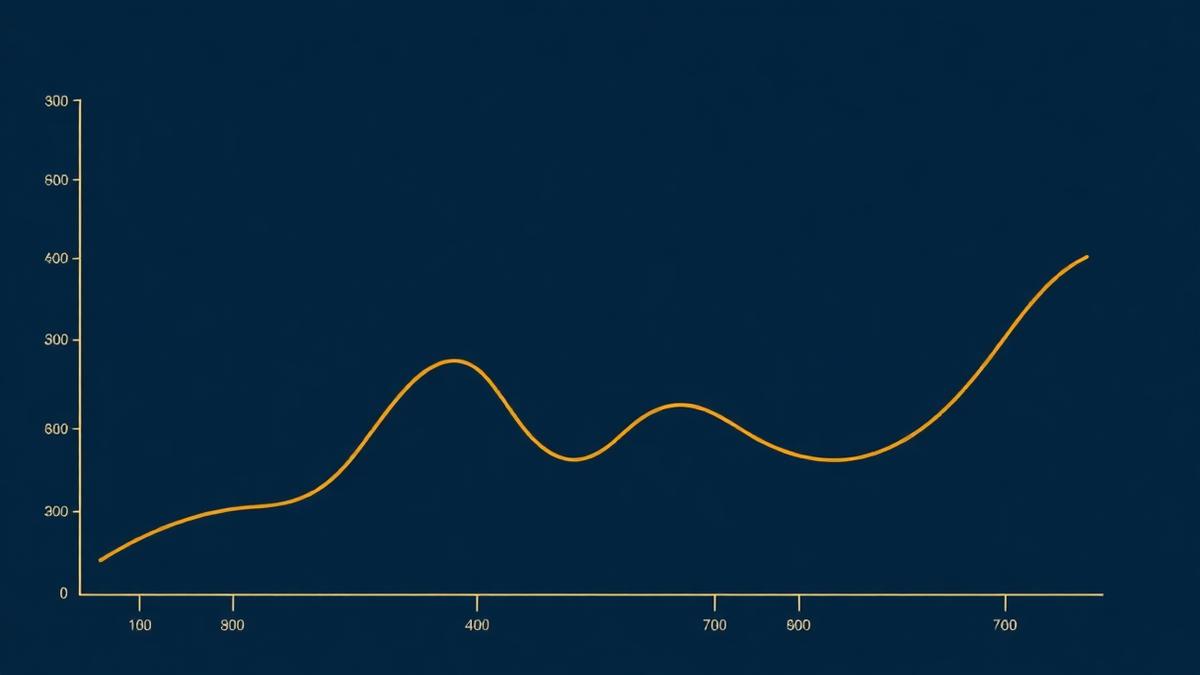
    Capital ratio trajectory under baseline and adverse stress paths, illustrating "Coherence is the whole point" in Cross-Asset Stress Testing for Banks and Insurers
    Figure 1. Capital ratio trajectory under baseline and adverse stress paths, in the context of coherence is the whole point.

    Translation layer

    Build an explicit mapping from macro drivers to asset-class risk factors, and document every elasticity.
    Prior and posterior densities illustrating Bayesian parameter updating, illustrating "Translation layer" in Cross-Asset Stress Testing for Banks and Insurers
    Figure 2. Prior and posterior densities illustrating Bayesian parameter updating, in the context of translation layer.

    Insurance liabilities

    Liability revaluation must respond to the same rate and inflation paths as the asset side, or capital results will mislead.
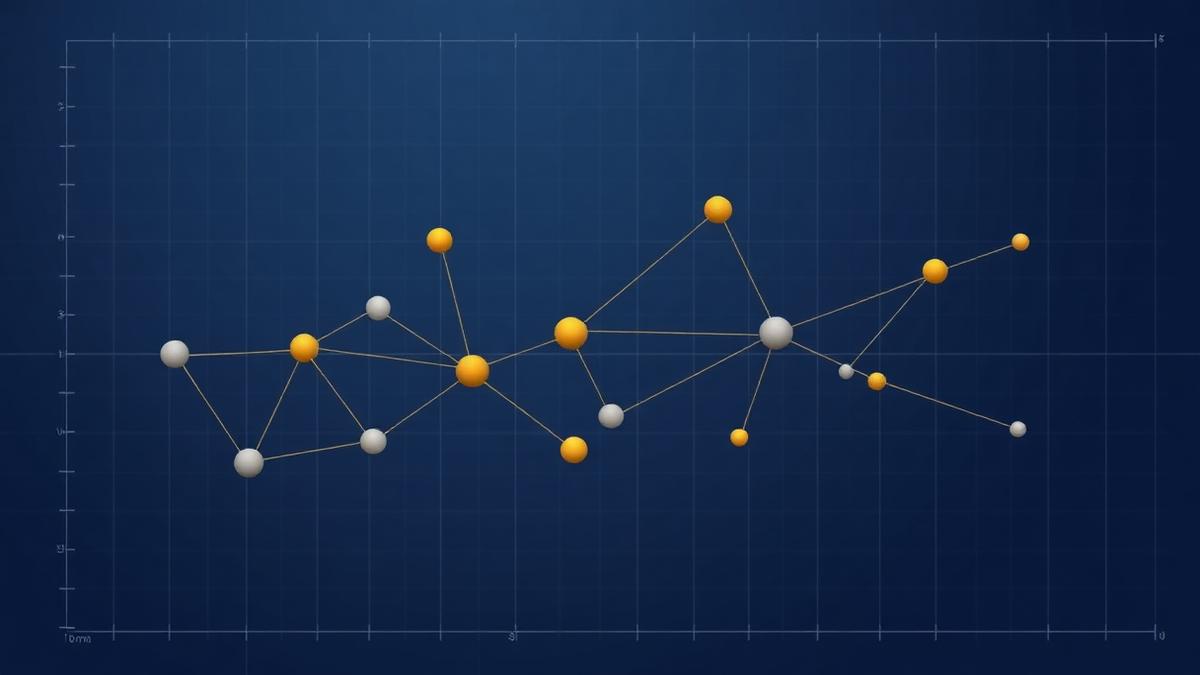
    Schematic of a credit risk parameter chain linking exposure, default probability and loss given default, illustrating "Insurance liabilities" in Cross-Asset Stress Testing for Banks and Insurers
    Figure 3. Schematic of a credit risk parameter chain linking exposure, default probability and loss given default, in the context of insurance liabilities.

    Related articles

    Work with Jonas

    For partnerships, modelling reviews, advisory roles, institutional risk projects or technical collaboration.