    All articles
    Banking
    Modelling

    IRRBB Modelling: Yield Curve PCA, Behavioural Assumptions and Delta NII

    Building an IRRBB engine that combines PCA-decomposed yield curve shocks with defensible behavioural overlays for NII and EVE.

    By Jonas Osman Abdelghafour · · 10 min read
    IRRBB Modelling: Yield Curve PCA, Behavioural Assumptions and Delta NII — technical illustration by Jonas Osman Abdelghafour, banking and modelling risk modelling
    IRRBB Modelling: Yield Curve PCA, Behavioural Assumptions and Delta NIIBanking · Modelling

    Structuring the engine

    Decompose the yield curve into level, slope and curvature via PCA, then translate shocks into instrument-level revaluations.

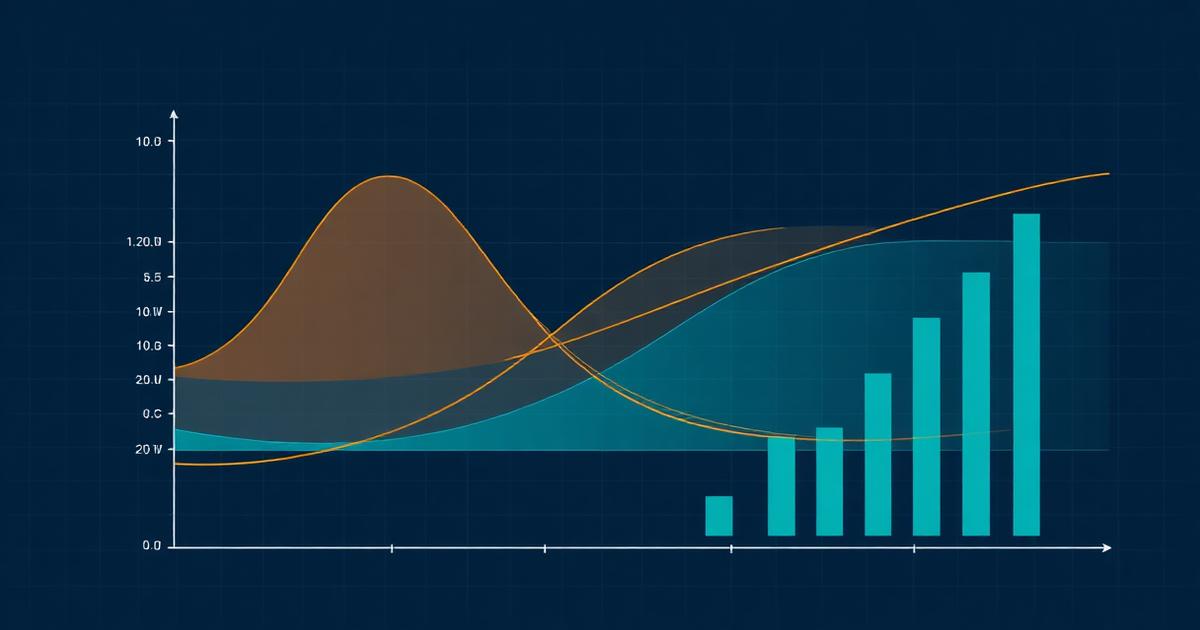
    Fan of yield curve shock scenarios used for interest rate risk measurement, illustrating "Structuring the engine" in IRRBB Modelling: Yield Curve PCA, Behavioural Assumptions and Delta NII
    Figure 1. Fan of yield curve shock scenarios used for interest rate risk measurement, in the context of structuring the engine.

    Behavioural overlays

    Non-maturity deposits and prepayment behaviour require overlays anchored on portfolio-specific history — never generic assumptions.
    Prior and posterior densities illustrating Bayesian parameter updating, illustrating "Behavioural overlays" in IRRBB Modelling: Yield Curve PCA, Behavioural Assumptions and Delta NII
    Figure 2. Prior and posterior densities illustrating Bayesian parameter updating, in the context of behavioural overlays.

    Reporting outputs

    Delta NII, EVE sensitivities and liquidity projections should reconcile to a single set of scenarios and a documented run manifest.
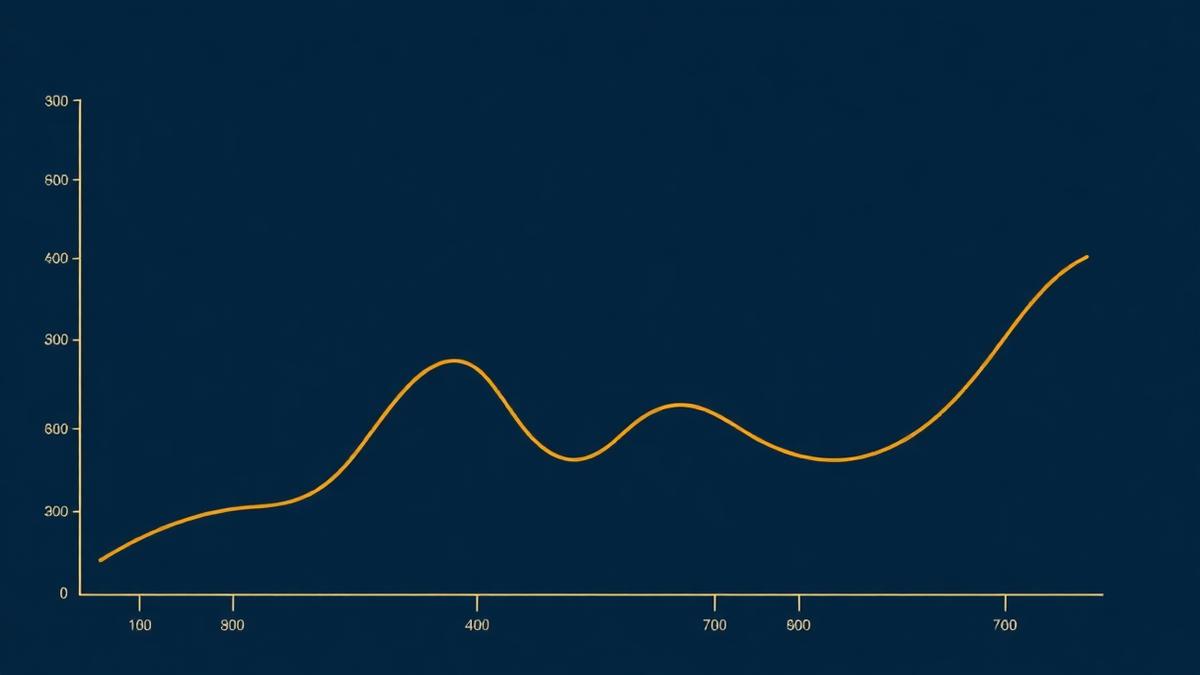
    Capital ratio trajectory under baseline and adverse stress paths, illustrating "Reporting outputs" in IRRBB Modelling: Yield Curve PCA, Behavioural Assumptions and Delta NII
    Figure 3. Capital ratio trajectory under baseline and adverse stress paths, in the context of reporting outputs.

    Related articles

    Work with Jonas

    For partnerships, modelling reviews, advisory roles, institutional risk projects or technical collaboration.